
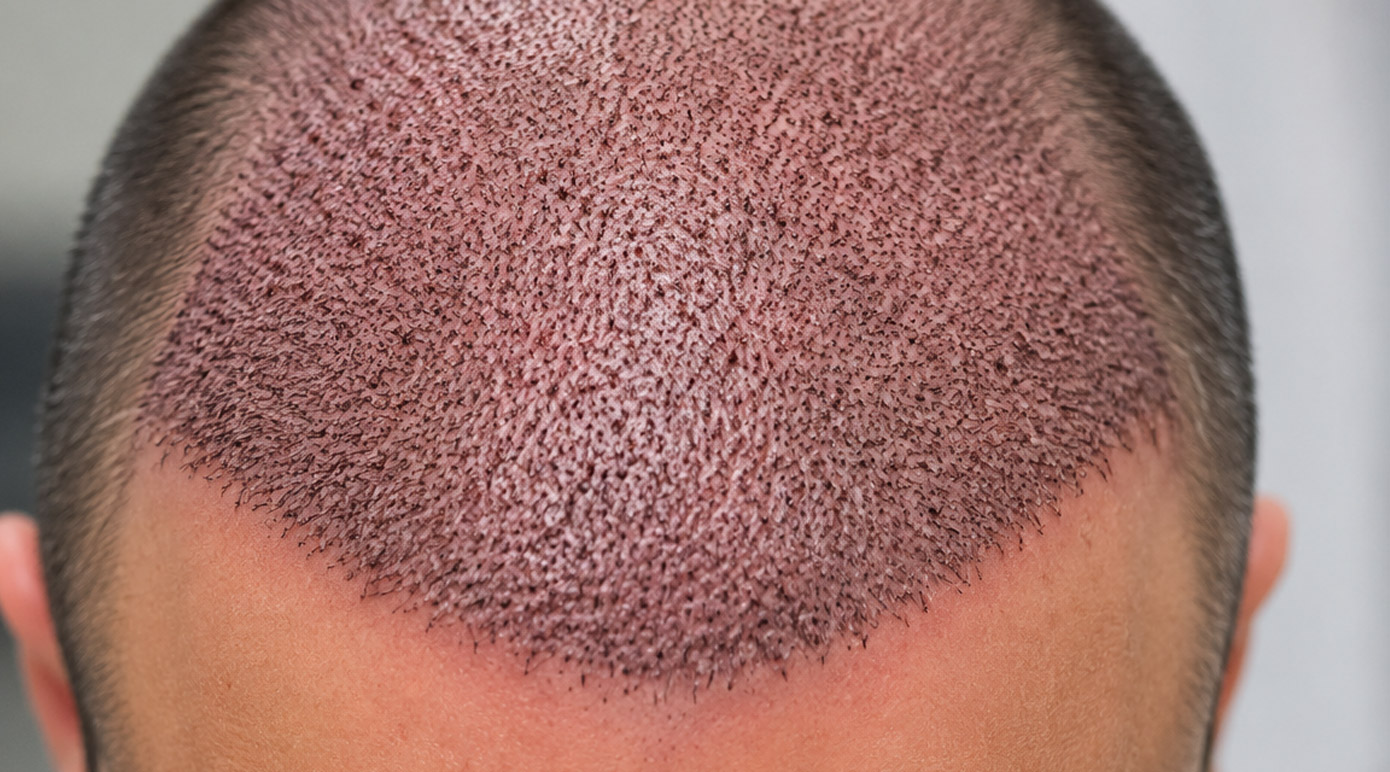

One of the most common questions after a hair transplant is what to expect during the first 10 days of recovery. This period is extremely important because it allows the transplanted hair follicles to settle into their new location and begin the healing process. Especially after a DHI hair transplant, following the recommended aftercare instructions can help ensure a smoother and more comfortable recovery.
So, what should you expect during the first 10 days after a hair transplant? Which symptoms are considered normal, and what precautions should you take? Here is a day-by-day guide to the recovery process.
The First Day After a Hair Transplant
After a DHI hair transplant, it is normal to experience mild tightness, redness, and sensitivity. Small scabs may also appear in both the donor area and the transplanted area.
During the first day, it is important to avoid any impact to the scalp, rest in the recommended position, and refrain from touching the transplanted area.
What Should You Pay Attention to During the First 3 Days?
The first three days are among the most delicate stages of the recovery process, as the transplanted grafts are still settling into place.
During this period:
- Do not touch the transplanted area.
- Avoid intense physical activities.
- Limit movements that may cause friction on the scalp.
- Avoid smoking and alcohol consumption whenever possible.
- Stay hydrated and maintain a balanced diet.
Mild swelling may also occur during this stage, but it usually subsides within a few days.
What Happens on Days 4 and 5?
As the initial sensitivity begins to decrease, scabbing may become more noticeable. This is a natural part of the healing process.
It is important to continue following the recommended aftercare routine and avoid scratching the scalp or attempting to remove the scabs manually.
Recovery During Days 6 and 7
By the end of the first week, redness and sensitivity have significantly decreased for many patients. The donor area also begins to recover.
Because DHI hair transplantation allows hair follicles to be implanted with precision, many people feel comfortable returning to their normal daily routine during this period. However, strenuous exercise and physically demanding activities should still be postponed.
What to Expect Between Days 8 and 10
By the end of the first 10 days, most of the scabs begin to fall off naturally. The scalp starts to regain a more natural appearance, and the healing process progresses significantly.
Although recovery is well underway, the transplanted hair follicles are still sensitive. Continuing to follow the recommended aftercare routine remains important. Recovery time may vary slightly depending on individual hair characteristics.
What Should Be Avoided During the First 10 Days?
To support proper healing after a hair transplant, it is recommended to avoid the following during the first 10 days:
- Do not scratch or rub the transplanted area.
- Avoid prolonged exposure to direct sunlight.
- Stay away from swimming pools, the sea, saunas, and steam rooms.
- Avoid strenuous exercise.
- Do not wear tight hats or accessories that may put pressure on the scalp.
- Use hair care products only as instructed.
Why Are the First 10 Days So Important After a DHI Hair Transplant?
In DHI hair transplantation, hair follicles are implanted directly into the recipient area using specialized implanter pens. This technique allows for precise graft placement while preserving the natural direction of hair growth.
The first 10 days are the period during which the transplanted grafts begin adapting to their new location. Following the recommended aftercare instructions during this stage may help the grafts establish successfully and contribute to a smoother recovery process.
When Does Shock Hair Loss Begin After a Hair Transplant?
Shock hair loss does not usually occur within the first 10 days. For most individuals, it may begin between the second and eighth weeks after the procedure.
Shock shedding does not mean that the transplanted hair follicles have failed. Only the hair shafts shed, while the follicles remain healthy beneath the skin. New, permanent hair gradually begins to grow in the following months. This is considered a normal stage of the hair transplant process.
Frequently Asked Questions
Is it normal to feel pain during the first 10 days after a hair transplant?
Mild sensitivity or a feeling of tightness may occur during the first few days. These symptoms generally decrease within a short period.
Can I wash my hair during the first 10 days?
The timing of the first wash and the recommended washing technique should be planned individually. It is important to follow the aftercare instructions provided after the hair transplant.
When do the scabs fall off?
Scabs usually begin to loosen toward the end of the first week, and for most patients, they disappear almost completely within approximately 10 days.
Can I return to work within the first 10 days?
This depends on the type of work you do. Many people with office-based jobs can return to work within a few days, while physically demanding occupations may require a longer recovery period.
