
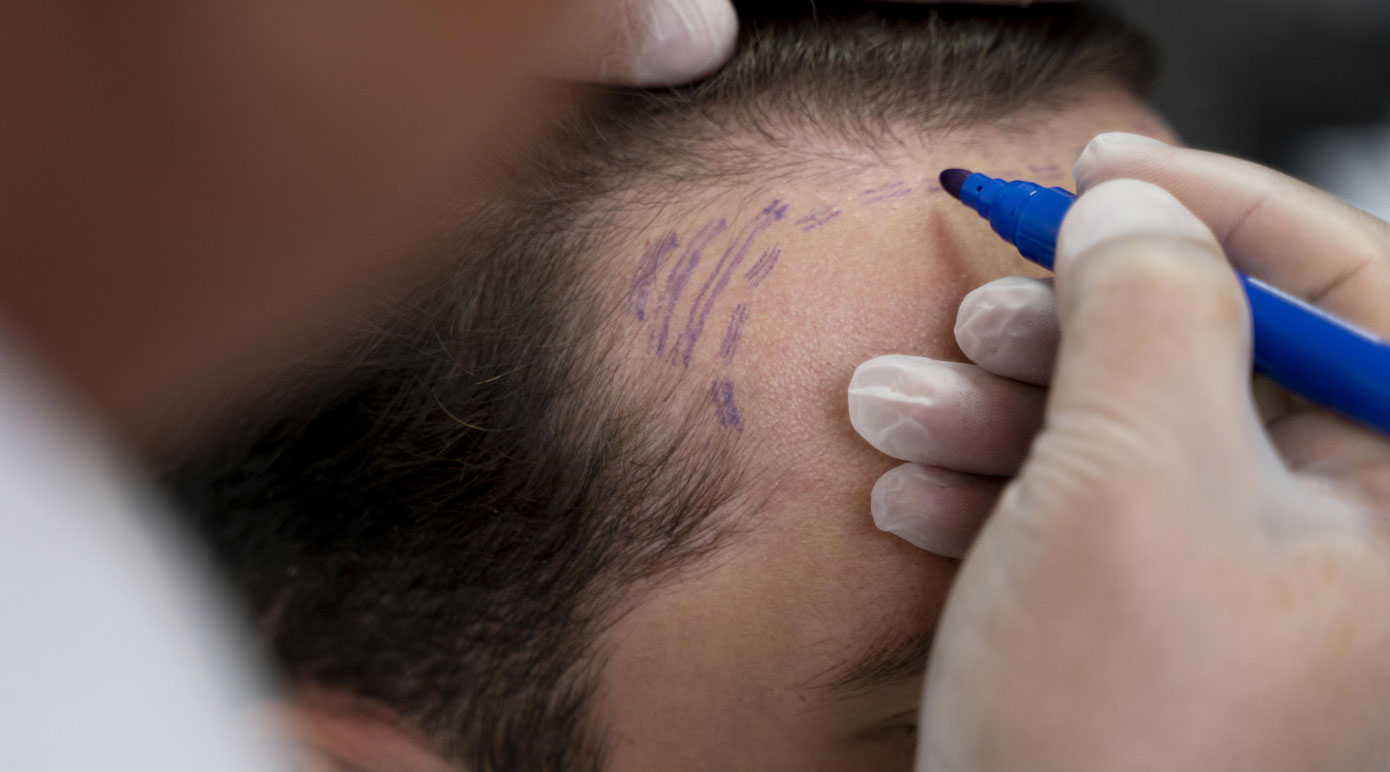

An unshaven hair transplant is one of the modern hair restoration methods developed for individuals who want to preserve their existing hairstyle. In this technique, the front, sides, and top of the hair remain unshaven, while only a small section of the donor area at the back of the head is trimmed. This area can easily be concealed by the surrounding hair, especially for people with long hair, making the procedure virtually unnoticeable from the outside. Achieving successful results depends on careful planning and an experienced medical team.
What Is an Unshaven Hair Transplant?
An unshaven hair transplant is an advanced hair restoration procedure performed without shaving the entire head. While traditional hair transplant methods often require the donor area to be completely shaved, this technique preserves the existing hair length, allowing patients to undergo treatment without making a significant change to their appearance.
During the procedure, hair follicles are typically harvested from the donor area at the back of the scalp and carefully transplanted into areas affected by hair loss. Depending on the individual’s hair characteristics and treatment needs, either the DHI or FUE technique may be used.
Since the hair remains unshaven, the procedure requires greater precision and attention to detail. One of its greatest advantages is that patients can return to their social lives more quickly without the appearance of a shaved scalp after the procedure.
This method is especially popular among individuals who do not want to interrupt their professional life, prefer to maintain their current hairstyle, or have long hair. Eligibility for an unshaven hair transplant is determined after evaluating hair density, donor area capacity, and the extent of hair loss.
How Is an Unshaven Hair Transplant Performed?
An unshaven hair transplant is a highly precise procedure that requires careful planning. The process generally consists of the following stages.
Initial Assessment
The first step involves evaluating the degree of hair loss, examining the donor area, and preparing a personalized treatment plan based on the patient’s expectations.
Donor Area Selection
The donor area, usually located at the back of the scalp, is identified. During the procedure, only the small section required for graft extraction is trimmed, while the surrounding hair remains untouched.
Preserving Hair Length
The hair on the front, sides, and top of the scalp is left uncut. This allows patients to maintain their existing hairstyle throughout the treatment process.
Local Anesthesia
The procedure is performed under local anesthesia to ensure a comfortable and virtually painless experience.
Graft Extraction
Healthy hair follicles are individually extracted from the donor area using microsurgical instruments. The grafts are then carefully prepared for transplantation.
Implanting the Hair Follicles
The prepared grafts are placed according to the planned hairline and natural hair growth direction. In DHI procedures, implantation is performed using specialized implanter pens, while in FUE procedures, the grafts are placed into previously prepared micro-channels.
Recovery Process
Following the procedure, mild redness and scabbing are normal. These symptoms usually subside within a few days, allowing most patients to return to their normal daily activities in a short time.
An unshaven hair transplant is an ideal option for individuals who do not want to shave their hair and wish to maintain a natural appearance while undergoing hair restoration.
Frequently Asked Questions
Who Is a Suitable Candidate for an Unshaven Hair Transplant?
An unshaven hair transplant is suitable for individuals who want to undergo hair restoration without shaving their existing hair. It is especially preferred by people who wish to maintain their hairstyle and return to their social or professional life with minimal interruption.
Is an Unshaven Hair Transplant Painful?
The procedure is performed under local anesthesia, making it a comfortable treatment with minimal discomfort. Any mild sensitivity experienced after the procedure usually subsides within a short period and can be managed by following the recommended aftercare instructions.
Can Women Undergo an Unshaven Hair Transplant?
Yes. An unshaven hair transplant can be successfully performed on women experiencing localized hair thinning or hair loss. A detailed assessment is carried out beforehand to determine whether the individual is a suitable candidate for the procedure.
How Long Does Recovery Take After an Unshaven Hair Transplant?
Although the recovery period varies from person to person, it is generally completed within 7 to 14 days. During this time, mild scabbing, redness, and temporary shock hair loss may occur. These effects gradually subside, and most patients can comfortably return to their daily routines within a short period.
