
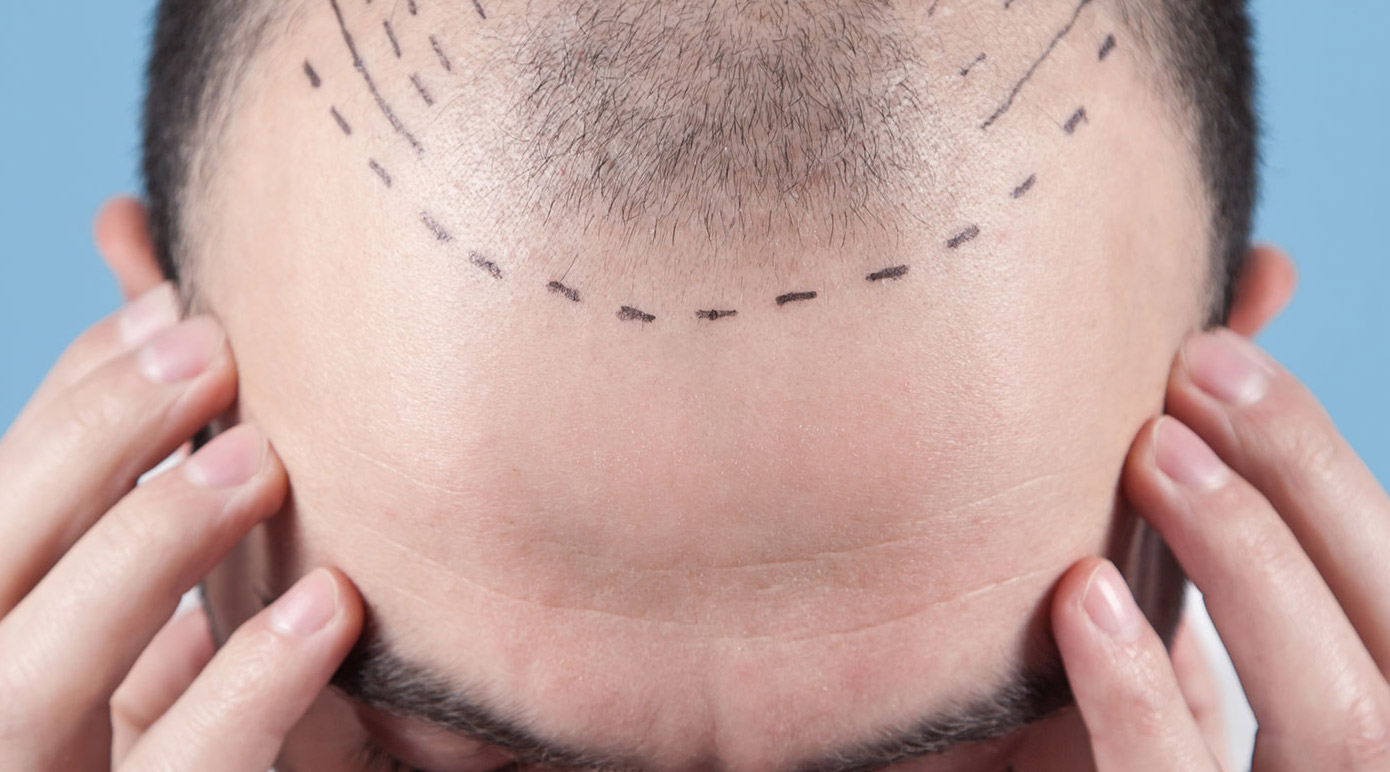

DHI hair transplantation is one of the most preferred hair restoration techniques today, offering natural-looking results. Although this method stands out with its many advantages, it also has certain limitations, just like any other procedure. For individuals considering DHI hair transplantation, understanding both its benefits and potential disadvantages can help them make a more informed decision.
What Is DHI Hair Transplantation?
DHI (Direct Hair Implantation) is an advanced hair transplant technique in which hair follicles are extracted from the donor area and implanted directly into the recipient area using specialized implanter pens. Unlike conventional methods, this technique does not require a separate channel-opening stage. Instead, the hair follicles are transferred directly into thinning or bald areas using specially designed medical pens.
Thanks to the direct implantation technique, hair follicles can be placed with greater precision, allowing the natural direction and angle of hair growth to be carefully planned. It is one of the modern hair transplant methods preferred by individuals who want to preserve their existing hair.
Who Is Suitable for DHI Hair Transplantation?
DHI hair transplantation can be performed on both men and women who experience hair loss and have a suitable donor area.
It may be an ideal option for individuals who:
- Do not want to shave their hair completely,
- Wish to return to their daily routine in a short period,
- Prefer to preserve their existing hair during the procedure,
- Aim to achieve a natural and dense-looking result.
Suitability is determined after a detailed evaluation of the degree of hair loss, donor area capacity, and overall hair characteristics.
Ideal Candidates for DHI Hair Transplantation
The DHI technique may be suitable for individuals who:
- Experience male or female pattern hair loss,
- Have sufficient donor hair density for transplantation,
- Have a relatively stable pattern of hair loss,
- Have realistic expectations regarding the treatment process and results.
Advantages of DHI Hair Transplantation
Thanks to its advanced implantation technique, DHI hair transplantation offers several important advantages.
- Hair follicles can be implanted with greater precision.
- The risk of damaging existing hair is minimal.
- Natural hair growth angles can be achieved.
- It allows for dense hair transplantation planning.
- It can be suitable for unshaven hair transplant procedures.
- The recovery process may be more comfortable for many patients.
- Reducing the waiting time of grafts may help preserve their viability.
These advantages make DHI hair transplantation a popular choice for individuals with high aesthetic expectations.
Disadvantages of DHI Hair Transplantation
Although DHI hair transplantation offers many advantages, there are also some factors that should be considered.
Since the procedure requires a high level of precision, the treatment time may be longer than with some other hair transplant techniques. In addition, because of the specialized equipment and technical nature of the procedure, the planning process requires greater attention to detail.
The success of DHI hair transplantation largely depends on the experience of the team performing the procedure. Correct placement of the hair follicles at the appropriate angle and density plays a significant role in achieving natural-looking results.
For some individuals, the overall cost of the procedure may vary depending on the preferred technique, the number of grafts, and the scope of the treatment. Therefore, pricing should always be determined after a personalized assessment.
